Why Socialization is Key for Your Dog

Dogs are social creatures by nature. Just like humans, they thrive on interaction and companionship. Socialization is not just a fun activity; it is essential for your dog’s overall well-being. In this blog post, we will explore the importance of socialization for dogs, the benefits it brings, and practical tips on how to effectively socialize your furry friend.
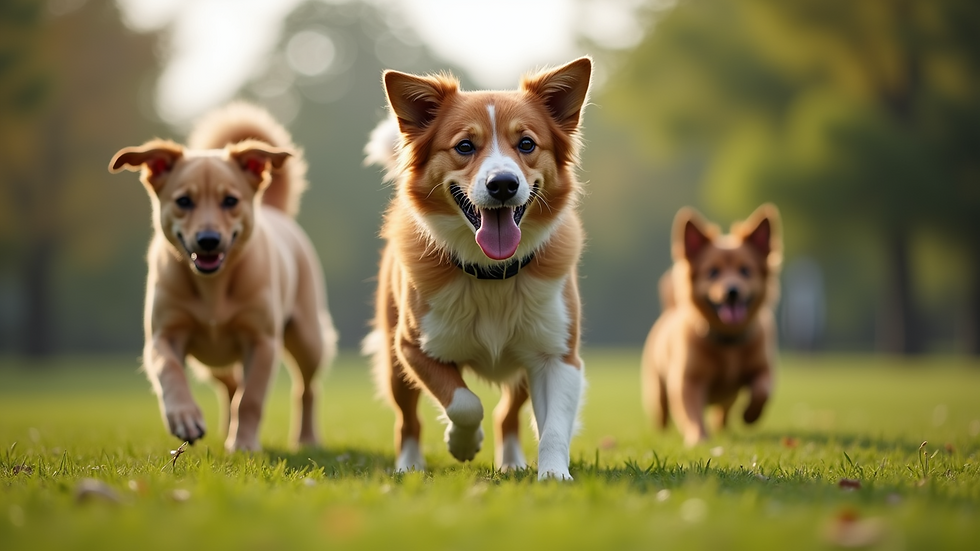
Understanding Socialization
Socialization is the process of exposing your dog to various environments, people, and other animals. This exposure helps them learn how to behave appropriately in different situations. Proper socialization should begin early in a dog's life, ideally between 3 and 14 weeks of age, but it can still be beneficial for older dogs.
The Importance of Early Socialization
Early socialization is crucial for puppies. During the critical socialization period, they are more receptive to new experiences. If they are not exposed to different stimuli during this time, they may develop fear or aggression towards unfamiliar situations later in life.
For example, a puppy that has never met a child may react fearfully or aggressively when encountering one later. Conversely, a well-socialized puppy will learn to be comfortable around children, other dogs, and various environments.
Benefits of Socialization
Socialization offers numerous benefits for dogs, including:
Improved Behavior
A well-socialized dog is less likely to exhibit behavioral problems such as aggression, fear, or anxiety. They learn how to interact appropriately with other dogs and people, which leads to a more balanced temperament.
Enhanced Confidence
Socialization helps build your dog’s confidence. When they are exposed to new experiences, they learn to navigate the world around them. This confidence can reduce anxiety and fear in unfamiliar situations.
Better Health
Socialized dogs tend to be healthier. They are less likely to experience stress-related health issues, which can arise from fear and anxiety. A calm and confident dog is more likely to enjoy a healthy, active lifestyle.
Stronger Bond with Owners
Socialization can strengthen the bond between you and your dog. Engaging in social activities together, such as visiting dog parks or attending training classes, creates shared experiences that enhance your relationship.
Practical Tips for Socializing Your Dog
Now that we understand the importance of socialization, let’s explore some practical tips to help you socialize your dog effectively.
Start Early
If you have a puppy, begin socializing them as soon as possible. Expose them to various people, environments, and other animals. This exposure should be positive and gradual to avoid overwhelming them.
Use Positive Reinforcement
Always use positive reinforcement techniques when socializing your dog. Reward them with treats, praise, or playtime when they exhibit calm behavior in new situations. This encourages them to associate new experiences with positive outcomes.
Attend Puppy Classes
Puppy training classes are an excellent way to socialize your dog. They provide a controlled environment where your puppy can interact with other dogs and people while learning basic commands. Look for classes that focus on socialization as part of their curriculum.
Visit Dog Parks
Dog parks can be a great place for socialization, but they can also be overwhelming. Start by visiting during off-peak hours when there are fewer dogs. Monitor your dog’s interactions and intervene if necessary to ensure they feel safe and comfortable.
Introduce New Experiences Gradually
Introduce your dog to new experiences gradually. Whether it’s a new environment, different types of people, or various sounds, take your time. Allow your dog to explore at their own pace, and always be there to support them.
Encourage Play
Encourage your dog to play with other dogs. Play is a natural way for dogs to socialize and learn appropriate behaviors. Supervise their interactions to ensure they are safe and positive.
Expose Them to Different Environments
Take your dog to different places, such as parks, busy streets, or pet-friendly stores. Each new environment presents unique stimuli that can help your dog become more adaptable and confident.
Be Patient
Socialization is a process that takes time. Be patient with your dog as they learn to navigate new experiences. Some dogs may take longer than others to adjust, and that’s perfectly normal.
Common Socialization Challenges
While socialization is essential, it can come with its challenges. Here are some common issues you may encounter and how to address them.
Fear of New Experiences
If your dog shows fear towards new experiences, take a step back. Allow them to observe from a distance and gradually decrease the distance as they become more comfortable. Use treats and praise to encourage them.
Aggression Towards Other Dogs
If your dog displays aggression towards other dogs, it’s crucial to seek professional help. A certified dog trainer can provide guidance on how to manage and modify aggressive behavior.
Overexcitement
Some dogs may become overly excited when meeting new people or dogs. Teach them to remain calm by practicing commands like “sit” or “stay” before allowing them to interact. Reward them for calm behavior.
The Role of Professional Help
If you’re struggling with socializing your dog, don’t hesitate to seek professional help. Trainers and behaviorists can provide valuable insights and techniques tailored to your dog’s specific needs. They can also help you develop a socialization plan that works for you and your dog.
Conclusion
Socialization is a vital aspect of your dog’s development and well-being. By exposing them to various experiences, you can help them become well-adjusted, confident, and happy companions. Remember to start early, use positive reinforcement, and be patient throughout the process. Your efforts will lead to a stronger bond with your dog and a more enjoyable life together.
Take the first step today by planning a socialization outing for your dog. Whether it’s a trip to the park or a puppy class, every experience counts towards building a well-socialized dog.


Comments